Retail Property Loans
Flexible financing built for modern retail businesses and investors

What are retail property loans?
Retail property loans are used to finance properties where goods or services are sold directly to customers. These include standalone retail buildings, shopping plazas, neighborhood centers, and mixed-use retail spaces. We structure retail property loans by looking beyond just the building. We evaluate customer traffic, tenant quality, lease terms, location strength, and how the retail space fits into the surrounding market.
Loan guidelines and borrower requirements

Loan-to-Value (LTV)
Retail property loans range from 60%–75% LTV, depending on tenant stability, lease length, and property type.

Debt Service Coverage Ratio (DSCR)
We usually target a 1.20–1.40 DSCR. Properties with long-term tenants may receive flexible underwriting.
Credit & Experience
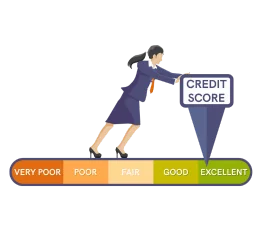
Borrowers need a 680+ credit score. Experience owning or operating business property loans can strengthen approval.

Equity Contribution
Most retail deals require 25%–40% equity, which can include cash, land value, or documented improvements.
What makes retail property financing unique

Tenant performance matters
Retail success depends on tenant sales, foot traffic, and lease structure, all of which influence loan terms.

Location-driven value
Visibility, parking access, signage, and surrounding demographics play a major role in retail underwriting.
Lease diversity
Single-tenant and multi-tenant retail properties are evaluated differently, especially when leases roll at different times.

Market adaptability
Retail properties are able to adapt to shifts in consumer behavior, which is factored into financing decisions.
Documents required for retail property loans

Property overview or loan request summary
Purchase contract or refinance details
Current rent roll and lease agreements
Last 2–3 years of operating statements
Tenant sales data (if available)
Market and area overview
3–5 year financial projections
Personal and business financial statements
Personal and business tax returns (2–3 years)
Entity documents (LLC agreement, K-1s)
Insurance certificates and property condition reports
Loan terms you can expect
Interest rates
Rates depend on the tenants and how stable the property is. Well-occupied centers usually get better rates.
Loan structure
Most retail mortgage loans are structured as stabilized commercial loans, with options to include tenant improvements.
Term length
Loan terms usually range from 3–10 years, with longer amortization available for well-leased retail assets.
Recourse vs. non-recourse
Many retail property loans are recourse, while a few may offer partial or structured non-recourse options.
Permanent financing
Properties undergoing lease-up or improvements may be structured with a refinance into long-term financing.
Closing timeline
Most retail property loans close within 30–75 days, depending on documentation and due diligence requirements.
Eligible vs ineligible retail properties

Standalone retail buildings
Neighborhood and community shopping centers
Retail plazas with multiple tenants
Owner-occupied retail properties
High vacancy retail assets
Short-term or unstable leases
Declining retail corridors
Properties with zoning limitations

Simple step-by-step loan process
FAQ (Frequently Asked Questions)
How much equity is needed for a retail property loan?
Most retail property loans require 25%–40% equity, depending on tenant strength, lease terms, and property location. Retail centers with long-term tenants may qualify for lower equity requirements.
Can owner-occupied retail properties qualify?
Yes. Owner-occupied retail businesses frequently qualify for business property loans, especially when the business demonstrates consistent revenue and operating history.
Do retail properties qualify as real estate investment loans?
Yes. Income-producing retail properties often qualify as real estate loans for retail property investments, even when the owner is actively involved.
Is financing available for tenant improvements or renovations?
Absolutely. Many retail property loans allow financing for tenant buildouts, renovations, and modernization when supported by leases and budgets.
How long does the retail loan process take?
From application to closing, retail mortgage loans typically take 30–75 days, depending on complexity and documentation readiness.
Ready to finance your retail property?
We help investors and business owners secure retail property loans that are clear, practical, and built for long-term success.