Industrial Property Loans
Smart financing for warehouses, distribution centers, and industrial real estate

What is an industrial property loan?
An industrial property loan (often called an industrial commercial mortgage) is a commercial real estate loan secured by an industrial or warehouse property. These loans are used for purchasing, refinancing, repositioning, expanding, or building warehouse and industrial facilities. Whether you need a commercial mortgage for a warehouse, industrial warehouse loans, or short-term warehouse financing, the loan is structured around how the property performs today and its long-term viability.
Eligibility Criteria for Borrowers

Typical LTVs
65%–80% LTV for stable industrial/warehouse properties. Lower LTVs for single-tenant buildings or value-add projects.

DSCR requirements
Most lenders prefer a 1.20–1.40 DSCR, depending on property condition, tenant quality, and lease rollover risk.

Credit guidelines
Best terms are available for 680+ credit scores. Lower scores may qualify with cash flow or a bigger down payment.
Qualifications
Borrowers need a clean track record, strong reserves, realistic NOI, and ideally some experience with industrial assets.
What makes industrial properties unique to lenders

Property functionality
Industrial loans focus on docks, truck courts, parking, and clear height, as they impact demand and value.

Tenant strength
With single-tenant industrial assets, lenders focus on tenant credit, lease terms, renewal history, and industry stability.

Location & logistics connectivity
Proximity to highways, rail access, ports, airports, and distribution hubs significantly affects valuation and risk.

Market demand
Industrial real estate is influenced by supply chain trends, e-commerce growth, local manufacturing, and regional distribution demand.
Documents required for Industrial Property Loan

Detailed executive summary or loan request package
Purchase contract (for acquisitions) or construction contract & budget
Current rent roll and all major tenant leases
Last 2–3 years of property financial statements (or pro forma for new construction)
Market rent comparables or industrial market study (if available)
Property survey and Environmental Phase I (Phase II if triggered)
Appraisal or lender-ordered appraisal
Borrower’s personal financial statement and tax returns (2–3 years)
Business financials and entity documents (LLCs, operating agreements, K-1s)
Insurance information and property condition reports
For construction: contractor license, timeline, draw schedule, and contingency plan
What loan terms can borrowers expect?
Interest rates
Rates vary by lender, but we compare banks, credit unions, and private lenders to find the best terms.
Amortization
Long-term loans usually amortize over 20–30 years, with refinances and permanent loans offering 25–30 years.
Term length
Loan terms usually range from 3 to 10+ years, with longer amortization for stable, creditworthy tenants.
Recourse vs. non-recourse
Both structures are available, with many lenders offering non-recourse loans for strong single-tenant leases.
Prepayment
Long-term fixed loans often have lockouts, yield maintenance, or defeasance clauses, especially low-rate industrial loans.
Closing timeline
Standard deals close in 30–60 days, while specialized properties may take 60–90+ days due to extra requirements.
Eligible vs ineligible properties
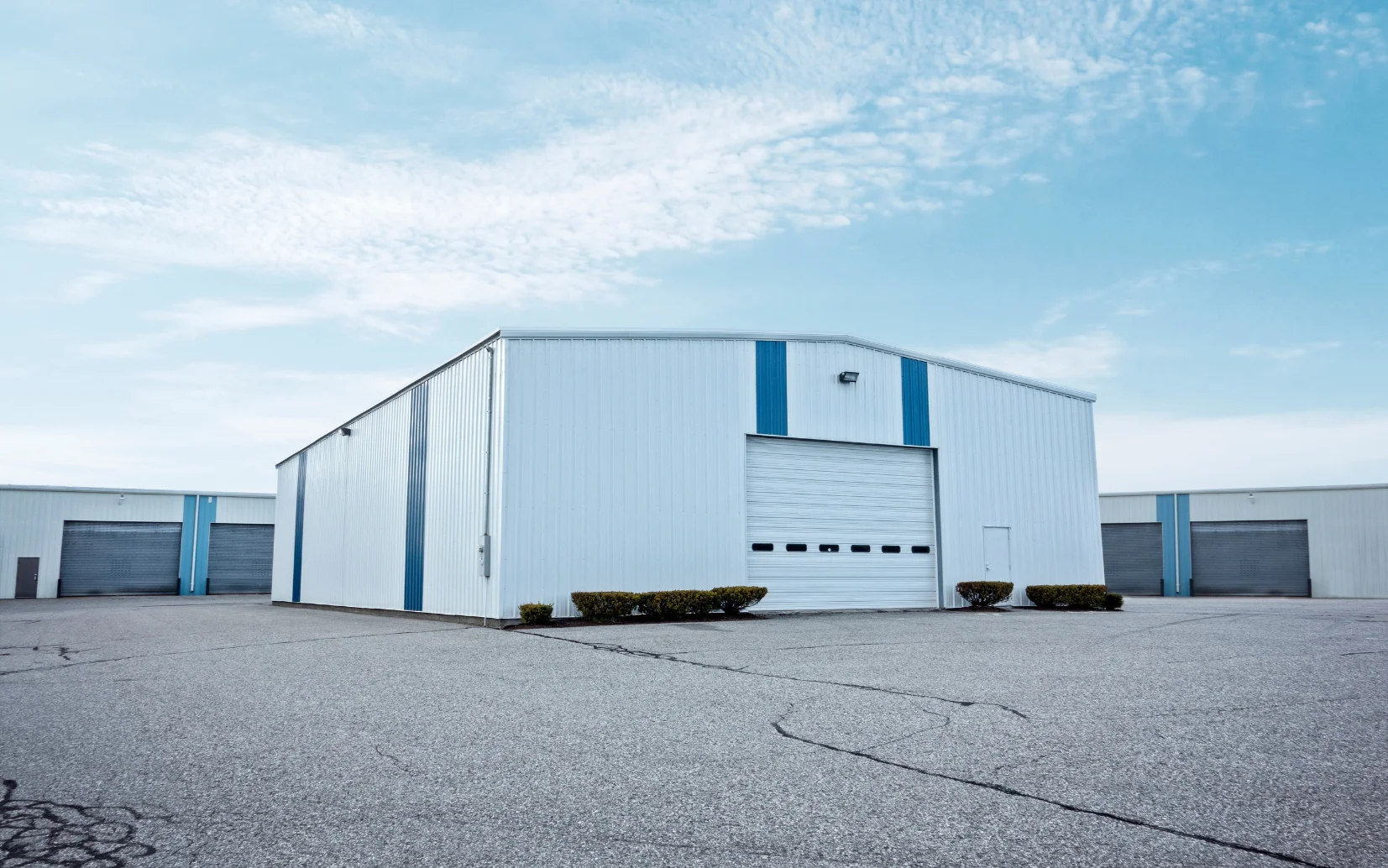
General warehouses, cold storage warehouses, and distribution centers
Light industrial and flex warehouse units
Manufacturing buildings, Owner-occupied industrial facilities
Build-to-suit or long-term leased facilities with credit tenants
Properties with heavy contamination or unresolved environmental issues
Buildings with severe structural deficiencies or obsolete layouts
Highly specialized industrial uses that cannot easily be re-tenanted
Properties with major title issues or zoning complications
Simple step-by-step loan process
FAQ (Frequently Asked Questions)
How much down payment do I need for an industrial property?
Most commercial warehouse loans require 25%–40% equity, depending on property condition, tenant stability, and loan type.
Can I get financing for a partially vacant warehouse?
Yes. Lenders evaluate pro forma cash flow, tenant prospects, and sponsor experience. Lower LTV or higher reserves may apply.
What is the difference between a warehouse loan and a construction loan?
A commercial mortgage for warehouse properties finances an existing income-producing building. Construction loan finances ground-up development, expansions, or major improvements and is disbursed through draw schedules.
Do industrial loans require personal guarantees?
Many lenders require a guarantee, but non-recourse industrial warehouse loans are available for strong tenants and stabilized properties.
How long does the loan process take?
Most purchase or refinance loans take 30–60 days, while construction or manufacturing facilities may take longer due to additional inspections or environmental reviews.
Ready to start your industrial property loan?
Speak with a commercial loan officer who understands warehouse financing and industrial operations. We’ll review your deal, recommend the best loan options, and deliver a competitive term sheet.