Office Building Mortgages
Smart financing for your commercial office property

What is an office building mortgage?
An office building mortgage (also called an office commercial loan) is a commercial real estate loan secured by an office property. Lenders underwrite the building’s income, location, tenant mix, and condition, not just the owner’s personal credit. These loans fund purchases, refinances, cash-out transactions, and office construction or renovation projects.
What borrowers typically qualify for
Typical LTVs
60%–75% LTV for stabilized office properties (higher or lower depending on property type, sponsor track record, and lender).
DSCR requirements
Lenders prefer a DSCR of 1.20–1.35, but some may accept less with higher reserves or experienced sponsors.
Credit guidelines
Strong sponsors usually have a 680+ FICO. Lower credit might work with better cash flow, a bigger down payment, or extra guarantees.

Borrower qualifications
Lenders look for a clean operating history, realistic pro-formas, good reserves, and strong property management.
What makes office buildings unique to lenders

Tenant mix and lease structure
Office cash flow relies on tenants and lease expirations, with a focus on vacancy and re-tenanting risks.

Market sensitivity
Office fundamentals can change quickly (remote work shifts, local employment trends), so lenders price market risk into terms.

CapEx & modernization needs
Lenders factor in upgrading costs for older office buildings when underwriting loans, as they impact value and performance.
Location & transit access
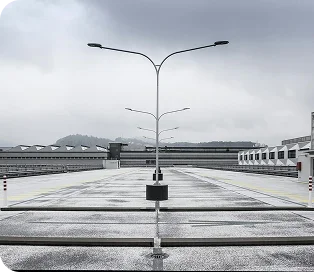
Proximity to transit, parking, and business districts significantly impact property value and lender confidence.
Documents required for Office Building Mortgage

Executive summary/loan request memo
Purchase contract (for acquisitions) or construction contract & budget (for construction loans)
Current rent roll and copies of major leases
Last 2–3 years' property operating statements (or pro forma for new construction)
Recent rent comparables/market study (if available)
Property survey and environmental Phase I (sometimes required)
Appraisal or lender-ordered appraisal
Borrower's personal and business financial statements, tax returns (2–3 years)
Organizational documents (LLC/K-1s), entity resolution, and ID verification
Proof of insurance and property condition reports
For construction: contractor license, schedule, draw schedule, and contingency plan
What loan terms can borrowers expect?
Interest Rates
Rates will depend on the market, but we'll find the best options for you, whether floating or fixed, that fit your strategy.
Amortization
Long-term loans usually have amortization periods of 20 to 30 years, while refinance loans can offer terms between 25 and 30 years.
Term Length
Typical terms range from 3 to 10+ years. Life-company loans may offer terms of 5 to 10+ years with longer amortization periods.
Recourse vs. non-recourse
Both options are available. Many lenders offer non-recourse financing, while a few lenders may require personal guarantees.
Prepayment
Longer-term fixed loans usually come with lockouts, yield maintenance, or defeasance clauses to protect the lender.
Closing timeline
30–60 days for standard purchase or refinance; 60–90+ days for construction loans or complex deals, depending on due diligence.
Eligible vs ineligible properties
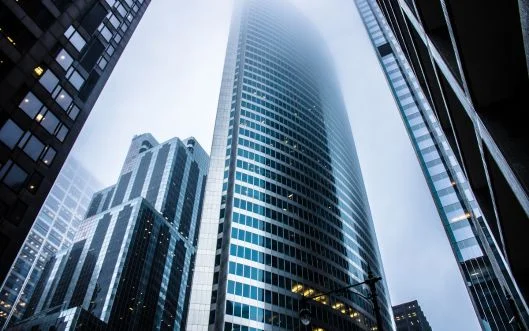
Class A/B/C office buildings (multi-tenant, single tenant with strong covenant)
Suburban office parks and downtown office towers with stable tenancy
Owner-occupied office buildings (may be under different programs)
Adaptive reuse projects with lender-approved plans
Severely obsolete properties with structural issues or no feasible repositioning plan
Buildings with unresolved major environmental contamination
Properties with legal or title clouds that can’t be cleared
Mixed-use assets where office is a small portion and zoning complicates underwriting
Simple step-by-step loan process
FAQ (Frequently Asked Questions)
How much down payment do I need for an office building?
Down payment is usually the complement of the LTV, commonly 25%–40% equity for purchase, depending on property type and loan program.
Can I get financing for a partially vacant office building?
Yes, lenders evaluate pro forma rents, lease-up plans, sponsor experience, and may require higher DSCR or lower LTV. We place lenders that finance lease-up situations.
What’s the difference between a commercial office loan and a construction loan?
A commercial office loan finances a stabilized, income-producing office asset. An office construction loan finances ground-up construction or major renovations and typically uses a draw schedule until completion.
Do commercial loans require a personal guarantee?
Many loans require guarantees, but institutional lenders sometimes offer non-recourse loans with standard carve-outs. We’ll help you pursue non-recourse where appropriate.
How long does underwriting take?
Standard purchase/refinance underwriting typically takes 30–60 days once the application and documents are complete; construction loans and complex deals can take longer.
Ready to start your office building loan?
Speak with a commercial loan officer who knows office finance. We’ll review your deal, recommend the best loan types, and deliver a competitive term sheet.