Agriculture Property Loans
Financing built for productive land, working farms, and long-term rural investments

What are agricultural property loans?
Agriculture property loans are commercial real estate loans used to finance farmland and income-producing agricultural properties. These loans support a wide range of uses, including crop land, livestock operations, orchards, vineyards, poultry farms, and mixed-use agricultural estates. We approach agricultural financing differently from traditional commercial real estate. Instead of relying only on rental income, we look at land productivity, soil quality, water access, zoning, operational history, and long-term land value.
Loan guidelines and borrower requirements

Loan-to-Value (LTV)
Most agriculture property loans require 50%–70% LTV, depending on land quality, location, and income stability.

Debt Service Coverage Ratio (DSCR)
We usually look for a 1.15–1.35 DSCR, though land-based loans may rely more on asset value.

Credit & experience
A 660+ credit score is required. Hands-on farming experience or long-term land ownership strengthens approval.

Equity contribution
Most loans for agricultural property require 30%–45% equity, which may include owned land or documented improvements.
What makes agricultural property financing unique
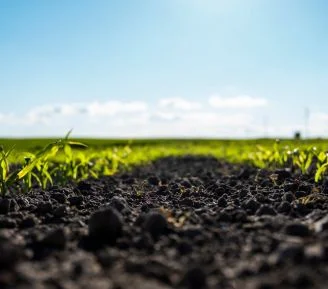
Land-driven valuation
Agricultural properties are valued based on soil quality, water rights, and productivity rather than tenant leases.

Seasonal income cycles
Farm income fluctuates throughout the year, which affects how cash flow and repayment ability are evaluated.
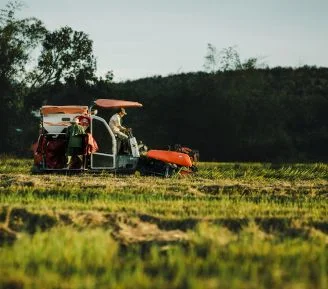
Operational dependency
Financing is closely tied to how the land is working, including crop selection and livestock management.
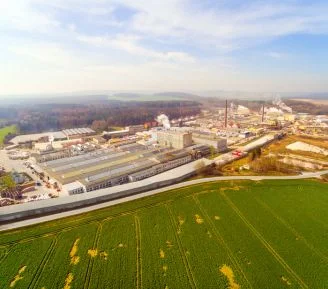
Zoning and land-use controls
Agricultural zoning, conservation restrictions, and permitted uses play a major role in loan structure and approval.
Documents required for agriculture property loans

Property overview or loan request summary
Purchase agreement or refinance details
Acreage maps and land descriptions
Crop or livestock production history (if applicable)
Operating statements or farm income records
Water rights documentation (if applicable)
Soil reports or land assessments (when available)
Personal and business financial statements
Appraisal and environmental review
Personal and business tax returns (2–3 years)
Insurance coverage and property condition reports
Loan terms you can expect
Interest rates
Rates vary based on land quality and income stability. Long-term farm real estate loans can offer predictable pricing.
Loan structure
Most loans are structured for long-term, with options to include infrastructure improvements or expansion costs.
Term length
Loan terms typically range from 5–25 years, allowing for manageable payments aligned with agricultural income cycles.
Recourse vs. non-recourse
Many farm property loans require recourse, though partial flexibility may be available for strong land assets.
Permanent financing
Agricultural land financed with long-term structures designed to hold the property over multiple production cycles.
Closing timeline
Agricultural loans usually close within 45–90 days, depending on land surveys, appraisals, and documentation.
Eligible vs ineligible agricultural properties
Crop-producing farmland
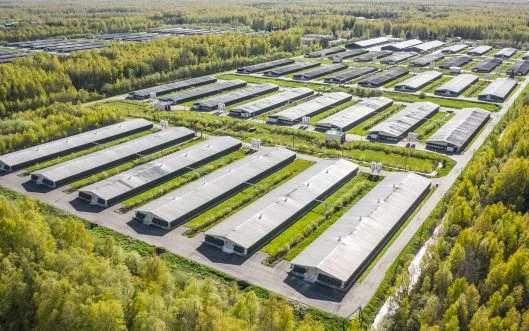
Livestock and poultry farms
Orchards, vineyards, and specialty farms
Mixed-use agricultural land
Land without clear agricultural zoning
Properties with limited water access
Highly speculative or undeveloped acreage
Farms with inconsistent operating history

Simple step-by-step loan process
FAQ (Frequently Asked Questions)
How much equity is required for agricultural property loans?
Most agriculture property loans require 30%–45% equity, depending on land quality, location, and operational history. Productive land with strong yields may qualify for lower equity requirements.
Can agricultural land be financed without existing income?
Yes, in some cases. Financing agricultural land may be possible based on land value, future use plans, and borrower strength, though higher equity is typically required.
Are farm property loans considered investment loans?
They can be. Farm real estate loans may qualify as long-term investment loans when the land produces income or is held for appreciation.
Can financing include barns, irrigation, or infrastructure?
Yes. Many loans for agricultural property allow financing for barns, fencing, irrigation systems, and land improvements when properly documented.
How long does the agricultural financing process take?
From application to closing, most agricultural property loans take 45–90 days, depending on surveys, land reports, and approvals.
Ready to finance your agricultural property?
We help farmers, landowners, and investors secure agricultural property loans that respect how rural properties operate and grow.